
Uncategorized
What Is Sensitive Skin? Causes, Triggers, and Why Your Skin Reacts
Nowadays, sensitive skin is often talked about — but rarely explained clearly.
Many people assume sensitive skin simply means redness or irritation. In reality, sensitive skin is about how your skin responds, how easily it becomes overwhelmed, and how long it takes to recover once it’s been triggered.
If you’ve ever wondered why your skin reacts when others don’t — or why calming ingredients seem to matter so much — understanding what sensitive skin actually is is the first step to help you understand your condition better.
What Is Sensitive Skin?
Sensitive skin is not a medical diagnosis or a single skin type. It is a skin condition that can affect dry, oily, acne-prone, or combination skin.
Skin is generally considered sensitive when it reacts more easily than normal to factors that are usually well tolerated, such as skincare products, environmental changes, temperature shifts, friction, or stress.
Sensitive skin may:
- Sting, burn, itch, or feel tight
- Flush or redden easily
- React inconsistently to products even though they are labeled ‘gentle’
- Take longer to return to normal after irritation
Sensitive skin can exist alongside dry skin, acne-prone skin, oily skin, or combination skin. It doesn’t replace your skin type — it affects how your skin behaves.
The Core Issue: A Disrupted Skin Barrier
At the core of sensitive skin is often a weakened or disrupted skin barrier.
The skin barrier:
- Helps retain moisture
- Limits penetration of irritants
- Regulates inflammation and nerve signaling

When this barrier is compromised:
- Water escapes more easily
- Irritants penetrate deeper
- Nerve endings become overstimulated
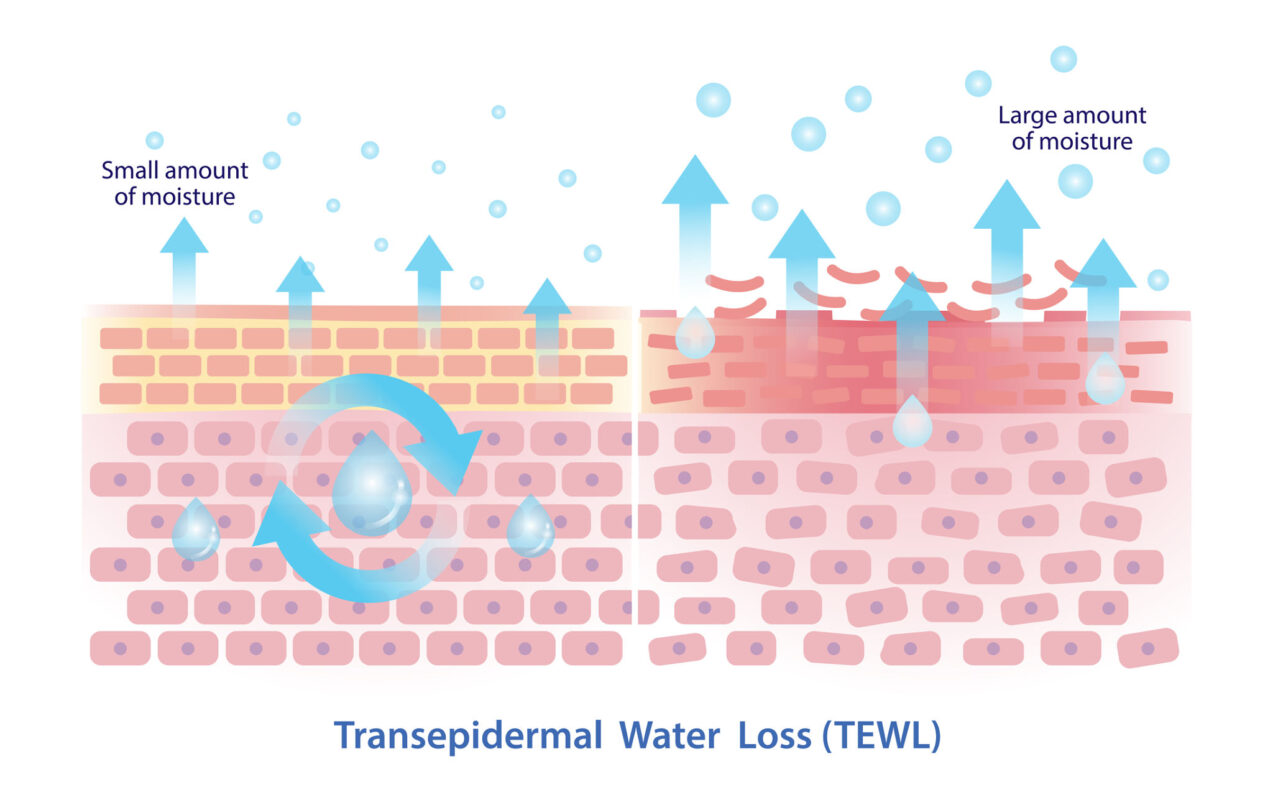

This is why sensitive skin often feels tight, stingy, or reactive — even to products marketed as gentle.
Common Causes of Sensitive Skin
Sensitive skin usually develops due to ongoing stress on the skin barrier and nervous system, rather than a single mistake. When the barrier is weakened, the skin becomes more reactive and slower to recover.
Below are the most common causes.
1. Weakened Skin Barrier
A compromised barrier allows moisture to escape and irritants to penetrate more easily.
This leads to:
- Increased water loss
- Heightened inflammation
- Greater nerve sensitivity
Some people naturally have lower levels of protective barrier lipids, making their skin less resilient over time.
2. Overuse of Active Ingredients
Frequent use of exfoliating acids, retinoids, or high-percentage actives can slowly damage skin barrier and reduce skin tolerance.
Over time, this may:
- Thin the outer skin layer
- Increase irritation risk
- Lower recovery capability of the skin barrier
3. Over-Cleansing or Harsh Cleansers
Cleansing too often or using stripping formulas can disrupt barrier lipids.
Common contributors include:
- Foaming or high-pH cleansers
- Hot water
- Excessive double cleansing
- High frequency use of exfoliating cleansers
4. Environmental Stressors
External factors place constant stress on sensitive skin.
These include:
- UV exposure
- Cold or windy weather
- Dry indoor air
- Heat and pollution
Moreover, environmental stressors worsens skin sensitivity when the skin barrier is already compromised.
5. Psychological Stress and Hormonal Changes
Stress and hormonal shifts can greatly increase inflammation within the body and on the skin leading to slow barrier repair and recovery.
This often explains:
- Sudden flare-ups
- Increased redness or itching
- Reduced tolerance to products
6. Genetic Predisposition
Some people are genetically more prone to sensitive skin due to:
- Higher nerve reactivity
- Lower lipid production
- Reduced skin irritation tolerance
In these cases, skin sensitivity tends to be long-term rather than situational.
7. Cumulative Irritation Over Time
Sensitive skin can also develop gradually from repeated low-level irritation.
This may result from:
- Frequent product switching
- Over-layered routines
- Constantly chasing fast results with strong actives
Over time, the skin’s tolerance threshold decreases and the skin will display irritation symptoms.
Sensitive Skin vs. Sensitized Skin
Not all reactive skin is the same. One of the most common points of confusion is the difference between sensitive skin and sensitized skin.
Comparison Table
| Sensitive Skin | Sensitized Skin |
|---|---|
| Typically long-term or innate | Temporary condition, not a skin type |
| Influenced by genetics and nerve sensitivity | Caused by damage, inflammation, or stress |
| Skin is consistently reactive | Skin becomes suddenly or unusually reactive |
| Reacts even to mild products | Reacts to products that previously worked |
| Tends to sting, burn, or flush easily | Often feels tight, raw, or inflamed |
| Takes longer to calm after irritation | Improves as the barrier repairs |
| Reactive across many ingredient categories | Reactivity is routine- or situation-dependent |
| Considered how your skin is wired | Considered a state your skin is in |
Key takeaway:
Sensitive skin reflects your skin’s baseline behavior. Sensitized skin is a temporary reaction that can often fully improve once the skin barrier is restored.
Common Triggers That Cause Sensitized Skin
Triggers vary between individuals, but common ones include:
- Fragrance and essential oils
- Alcohol-heavy formulas
- Exfoliating acids or scrubs
- Sudden routine changes
- Over-layering products
- Seasonal or climate shifts
This explains why a product that works wonderfully well for someone else may cause stinging, redness, or breakouts for you.
Why Calming Ingredients Matter
Sensitive and sensitized skin don’t just need fewer products — they need intentional support.
Calming ingredients help by:
- Reducing inflammatory signals
- Soothing overstimulated nerve endings
- Supporting barrier repair
- Helping skin recover faster from stress
This is why calming ingredients are foundational, not optional — and why they play such a central role in caring for reactive skin. I’ve also covered extensively Calming Ingredients for Sensitive Skin & How to Choose What Works Best for You.
Why Understanding Sensitive Skin Can Change How You Do Skincare
When you understand what sensitive skin truly is — and how it differs from sensitized skin — skincare becomes less reactive and more intentional.
You’ll learn to:
- Recognize early warning signs
- Adjust routines without panic
- Choose calming ingredients with purpose
- Support healing instead of pushing through irritation
Sensitive skin isn’t weak skin. It’s the communication between our skin and us — and learning how to listen to it is one of the most valuable skincare skills you can develop.
